
2 Player Games Offline - 1234
Fun Offline GamesBoard
4.7102.00 Reviews
- Version
- 1.13
- Installs
- 10.00M
- Age Rating
- Everyone
Screenshots
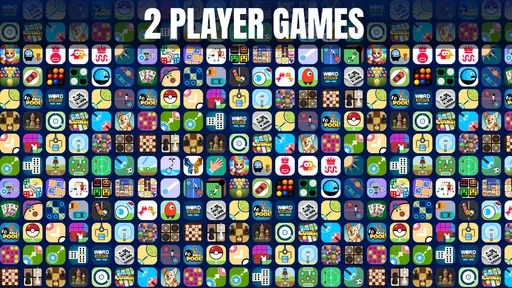
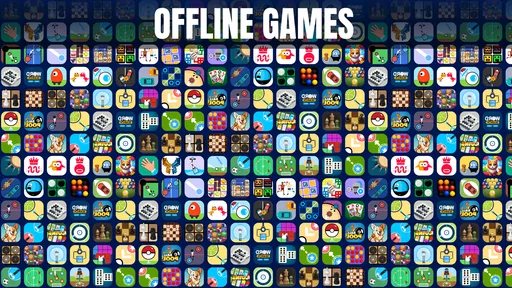
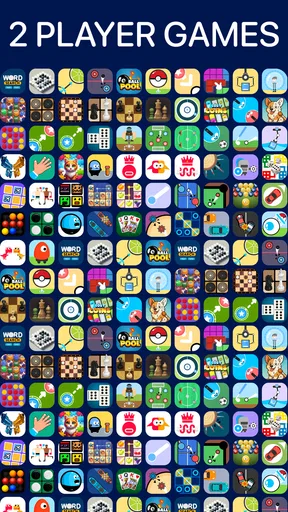
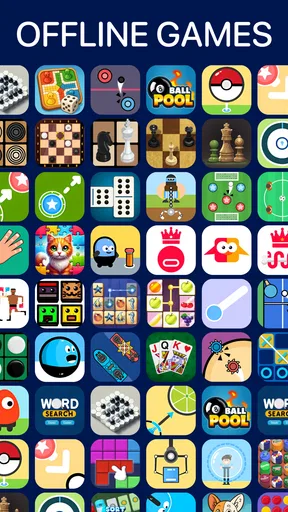
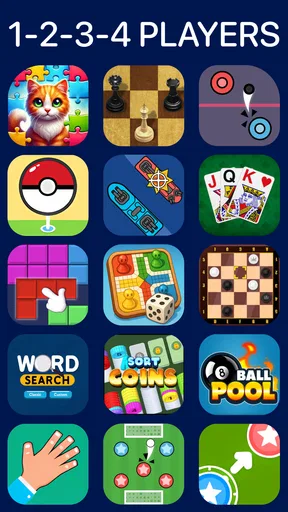
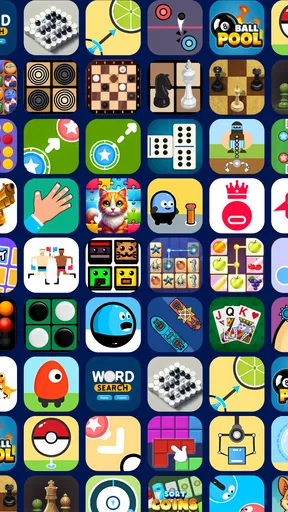
Our Review of 2 Player Games Offline - 1234
 Analysis by Appyee
I like board games most when they get people looking at one another instead of at separate screens. 2 Player Games Offline - 1234 takes that simple idea and turns it into a compact collection of head-to-head challenges for two people sharing one device. After spending time with it, my main impression is clear: this is less a replacement for a deep chess app or a full party-game platform and more a convenient pocket of quick contests for moments when two players want something immediate.
That focus is also the reason it works. There is no need to arrange an online match, wait for another player to connect, or explain a complicated setup before starting. One person can hand the phone across after a round, which makes the game especially useful during a journey, a short wait, or a relaxed evening with a friend. The collection includes boxing, fighting, chess, snake and other two-player activities, so the mood can shift from thoughtful to frantic without leaving the same app.
A practical collection for shared-screen competition
The game comes from Fun Offline Games and sits in the board category, although its selection is broader than the word “board” might suggest. Chess gives it a traditional strategy anchor, while the action-oriented choices provide quicker reactions and more casual competition. That mixture is important because two people rarely want exactly the same pace for every round. One player may prefer planning; the other may want something that can be understood in seconds.
In my experience, the strongest feature is the low barrier between opening the app and actually playing. A shared-device game succeeds when its controls are readable, its turn or side of the screen is obvious, and the rules do not require a long explanation. This collection is built around that kind of immediate exchange. It feels suited to short sessions rather than a single long campaign, and that makes it easy to fit around everyday plans.
A realistic use case is a train ride with a friend when both phones are running low on battery or an internet connection is unreliable. Instead of trying to coordinate an online match, one person can start a local contest and pass the device back and forth. Another good situation is a family gathering where two people want a quick activity but do not want to involve everyone in a large multiplayer game. The short-round format makes it possible to play once, stop for conversation, and return later without losing the point of the visit.
The offline focus is more than a small convenience. It changes who can use the app and when. A game that depends on a stable connection is awkward in transit, at a campsite, or in a room with poor reception. Here, the central appeal is that the second player is physically present. That also removes the pressure of usernames, invitations and matchmaking. For a pair of people sitting together, that is often faster than an online alternative even when both players have good connectivity.
The selection also creates a useful rhythm. Chess can slow the session down and reward careful decisions, while boxing, fighting or snake can reset the mood with more immediate input. I would not treat every activity as equally deep, but variety matters in a two-person collection. If one mode stops being interesting, switching styles is more practical than abandoning the whole app.
Why the shared-device format matters
Playing on one screen has a social advantage that online games often lose. I can see the other player’s reaction, hear the immediate complaint about a close loss, and negotiate whether to play another round without leaving the match lobby. That makes the app a better fit for friendly rivalry than for solitary practice. It is also easier for a parent and child to share because the activity is visible to both people at once.
There is a trade-off, though. A single phone gives both players less space than two separate devices, and the quality of the experience depends on how comfortable the screen is to share. Players with larger phones may find the arrangement easier, while a smaller display can make fast action feel crowded. I would recommend holding the device in a stable position before starting a serious round. A table or other flat surface is more comfortable than trying to keep the phone balanced in one hand.
One useful habit is to agree on the mode and number of rounds before beginning. That sounds minor, but it prevents the common problem where one player expects a quick contest and the other expects a longer session. For chess, decide whether the point is simply to enjoy a match rather than to recreate a formal tournament atmosphere. For the faster games, alternating the first move or side can make a casual rematch feel fairer.
Another practical tip is to use the collection as a conversation starter instead of treating every round as a test of skill. The app is at its best when the result is secondary to the shared moment. If both players are highly competitive, a simple win tally on paper can add structure, but I would not expect the app itself to provide the depth or long-term progression of a specialist chess product.
Where it is stronger than familiar alternatives
Compared with a dedicated chess app, this game offers less concentration on one ruleset but more flexibility for a mixed pair. Someone who is not interested in several consecutive chess matches can switch to a faster challenge. Compared with online multiplayer games, it avoids connection issues and the social distance of playing through a network. Compared with a large party-game suite, it is more focused on exactly two people sharing one device rather than managing a room full of participants.
That comparison also clarifies its limits. A specialist chess app is the better choice for analysis, structured learning, ranked play or serious long-term improvement. An online action game is more appropriate when the other player is far away. A larger party collection may be preferable when four or more people want to participate together. This app wins when convenience and physical proximity matter more than depth, competition systems or a large social lobby.
The store audience response suggests that this straightforward idea has broad appeal: it holds a 4.7 average from around 45 thousand ratings and has passed 10 million installs. I see those figures as evidence that the shared-screen concept is easy for many people to understand, not as proof that every mode will suit every player. The experience remains highly dependent on whether you enjoy quick local contests and whether the people around you are willing to share a phone.
What can become frustrating
The biggest weakness is the natural limitation of a collection built for brief two-player sessions. Variety can keep the app fresh for a while, but it does not automatically create lasting depth. If I wanted a carefully developed strategy experience, a persistent competitive ladder or a story-driven fighting game, I would look elsewhere. The appeal is immediacy, not a demanding progression system.
There is also a social friction that the offline format cannot solve: both players must be in the same place and comfortable using one device. That is a strength for a pair sitting together, but a complete barrier when your friend is elsewhere. Even in the right setting, the phone can become a little awkward during rapid play. Players who dislike passing a device around or crowding around a small screen may prefer separate-device games.
The range from chess to fighting-style challenges can feel uneven. That is useful for variety, but it means the app may not satisfy someone searching for one polished genre. I would approach it as a menu of compact diversions rather than a unified board-game simulation. The best experience comes from choosing the activity that matches the moment, not expecting every option to have the same strategic weight.
The free price makes trying it straightforward, while optional in-app purchases range from ninety-nine cents to four dollars and ninety-nine cents per item. I would still begin with the free experience and decide whether the available variety justifies spending anything. For a casual app used occasionally, paying for extras may not be necessary. Someone who uses it regularly with the same friend may find additional content more worthwhile, but the decision depends on how often those two players actually return to it.
Because it is rated for Everyone, the presentation is accessible to a wide age range. That does not mean every match will be calm; competitive games can still produce arguments when players take the result seriously. For younger players, I would frame it as a shared activity and set a simple rule about taking turns with the device. For adults, the same advice applies in a different way: the game is more enjoyable when a close loss leads to a rematch rather than a dispute about the controls.
Who should install it
I would recommend it to friends, siblings, couples and families who want a quick local game without preparing a board or connecting two accounts. It is particularly appealing if your group often has short gaps to fill: waiting for food, sitting in a hotel room, traveling together or taking a break between other activities. The mix of strategic and reflex-based choices means it can accommodate different personalities better than a single-mode game.
It is also a sensible choice for someone who wants an offline option on an older compatible device. The minimum operating system is Android 7.0, and the current version is 1.13. Those details make it relevant to people who are not using the newest phone but still want a simple two-player collection. I would install it before a trip rather than waiting until the journey begins, then test the controls and choose a few preferred modes in advance.
I would skip it if your main goal is remote multiplayer, serious chess improvement, a large group experience or a long-term competitive ranking. It is not the right substitute for those specialized needs. I would also hesitate if you usually play alone, since the central pleasure comes from another person being beside you. In that case, a single-player board game or a dedicated online title would probably offer more value.
For parents deciding whether it suits a child, the Everyone rating is reassuring in terms of its broad age classification, but the better question is whether the child enjoys short competitive rounds. A child who likes switching activities and playing directly with a sibling may find it engaging. A child who prefers building, collecting or exploring a persistent world may lose interest quickly because the app is centered on immediate matches.
For adults, the best approach is to treat it as a social tool rather than a major gaming commitment. Keep it available for the moments when conversation needs a little structure. Start with a mode both players understand, play a small set of rounds, and switch activities before the session becomes repetitive. That workflow makes better use of the collection than forcing one favorite mode to carry every visit.
My final view after using it
The clearest reason to choose this game is simple: it makes a nearby two-player match easy to start without an internet connection. That is a focused promise, and the collection supports it with enough contrast to keep a short session moving. The combination of chess, snake, boxing and fighting-style options gives players different tempos, while the free entry point makes experimentation uncomplicated.
It is not a deep board-game laboratory, and I would not recommend it to someone looking for advanced analysis, online competition or a carefully balanced single genre. The shared screen can also feel cramped during fast play, and the need for a physically present opponent narrows its usefulness. Those are meaningful limitations rather than minor footnotes.
Still, I think Fun Offline Games has chosen a practical niche. With a 4.7 average and more than 10 million installs, the game has clearly reached a large audience, and I can understand why: it removes much of the setup that gets in the way of casual play. The free model, Everyone age rating and offline design make it easy to keep ready for spontaneous matches.
My recommendation is strongest for two people who regularly sit together and want a rotating set of quick challenges on one phone. Try it for travel, family downtime or friendly rematches, and judge it by how often it creates an enjoyable shared moment. If that is what you need, 2 Player Games Offline - 1234 is a useful and approachable choice. If you want depth, remote opponents or a solo experience, a more specialized game will serve you better.
Verdict
Strengths of 2 Player Games Offline - 1234
- Works without an internet connection, making it useful for travel or offline play.
- Offers quick two-player matches that are easy to start and understand.
- Includes varied mini-games to keep short sessions from feeling repetitive.
- Simple controls make it accessible for casual players of different ages.
- Local multiplayer encourages friendly competition on a single device.
Limitations of 2 Player Games Offline - 1234
- Sharing one screen can feel cramped, especially on smaller phones.
- Some mini-games may become repetitive after extended play sessions.
- The experience depends on having another person nearby to play with.
- Ads may interrupt the flow unless an ad-free option is available.
- Limited depth may not satisfy players looking for long-term progression.
Other Releases by Fun Offline Games
View All
Offline Games No WiFi internet
Casual4.7
Similar Picks in This Category
View All
Ludo King®
Gametion4.1

Ludo
Yarsa Games4.6

Tile Master® - Matching Game
Higgs Studio3.6

Checkers Online
CC Games4.6

Dominoes
Loop Games4.7

Chess
Chess Prince4.6
Frequently Asked Questions
What is 2 Player Games Offline - 1234?
2 Player Games Offline - 1234 is a collection of quick, competitive mini-games designed for two people playing on the same mobile device. Instead of requiring an internet connection or separate accounts, it lets friends, family members, or couples challenge each other locally. The games are generally easy to understand, making the app suitable for casual sessions and short matches when you want entertainment without a complicated setup.
Can I play 2 Player Games Offline - 1234 without an internet connection?
Yes, the main appeal of 2 Player Games Offline - 1234 is its local offline multiplayer format. After installing the app, you can usually start matches without Wi-Fi or mobile data, which is useful during travel, in places with poor reception, or when you want to avoid online matchmaking. Some advertisements or optional features may still require an internet connection, depending on the version installed.
How do two people play on the same device?
Both players share one smartphone or tablet and interact with their assigned side, button area, or control zone on the screen. The exact layout depends on the mini-game selected, but the controls are normally designed to be simple enough for immediate play. A larger screen can make the experience more comfortable, while a small phone may feel crowded during faster games or when both players tap at once.
Is 2 Player Games Offline - 1234 suitable for children?
The app is generally approachable for children because its mini-games use straightforward rules and do not typically require advanced gaming skills. However, parents should check the store listing, age rating, advertisements, and privacy information before allowing younger children to use it. Because the game is competitive, adults may also want to supervise play if children become frustrated or if the device includes in-app purchases or external advertising links.
Does 2 Player Games Offline - 1234 contain ads or require payment?
The availability of advertisements, paid upgrades, and optional purchases can vary according to the app version, operating system, and developer settings. Many free mini-game collections are supported by ads, which may appear between rounds or when unlocking additional content. Before downloading, review the official Google Play or App Store listing for current pricing and purchase details, and use device-level parental controls if children will be playing.
Play our best games!


